
Technology
An old idea. A new carbon age.
Splitting natural gas into carbon and hydrogen was first patented in 1889. Molten is the first to make battery-grade graphite.
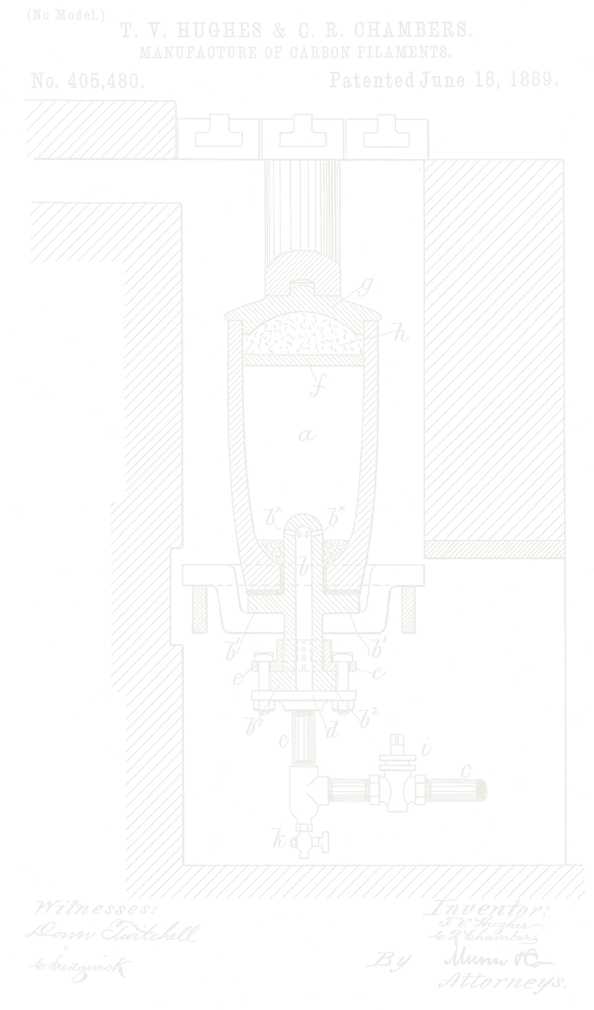
One molecule in. Two critical materials out.
CH₄ + heat → C + 2H₂
Natural gas and electricity go in. Graphite and hydrogen come out. No oxygen, no combustion, no CO₂. Can run on other hydrocarbon or coke feeds.
Built. Commissioned. Running.
Our demo plant in Oakland is the first in the world to make battery-grade graphite from natural gas. It runs on one full-scale modular reactor, the building block for every plant that comes next.
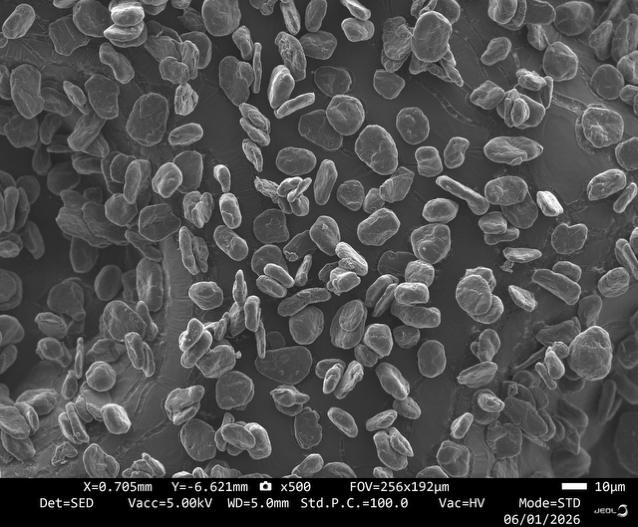
Graphite made by a radically better process.
Cheaper feedstock
Natural gas at $150 per ton, versus $600 per ton for petroleum coke.
Less electricity
4.5 kWh per kilogram of graphite. No graphitization furnace.
Process emissions
No SOx, NOx, methane, or CO₂ from the process.
Synthetic graphite bakes petroleum coke at 3,000°C for four to eight weeks. Natural graphite is mined at 5–20% purity and purified with hydrofluoric acid. Almost all of it happens in China.
One continuous step from natural gas, with clean hydrogen as a co-product. Crystallinity, particle size, and shape are set by core process conditions, then refined by milling and blending to hit each customer's spec.