Molten Industries

Products

12.01
Products
Graphite

Every technology that defines the future runs on graphite.

Graphite is the largest material by mass in a lithium-ion battery. It is also the moderator in next-generation nuclear reactors and the heat store in thermal batteries.

0%

of U.S. battery-grade graphite is made domestically

>97%

of battery-grade graphite is controlled by China

5×

U.S. demand growth, 2024 to 2030

EVs and autonomous fleets
50–100 kg per vehicle
Grid and data-center storage
1,000 kg per MWh
Nuclear reactors
500–1,500 kg per MW
Humanoid robots
1–3 kg per robot
Drones
0.1–1 kg per drone
Phones and laptops
20–60 g per phone
Hydrogen

The molecule behind food, fuel, and steel.

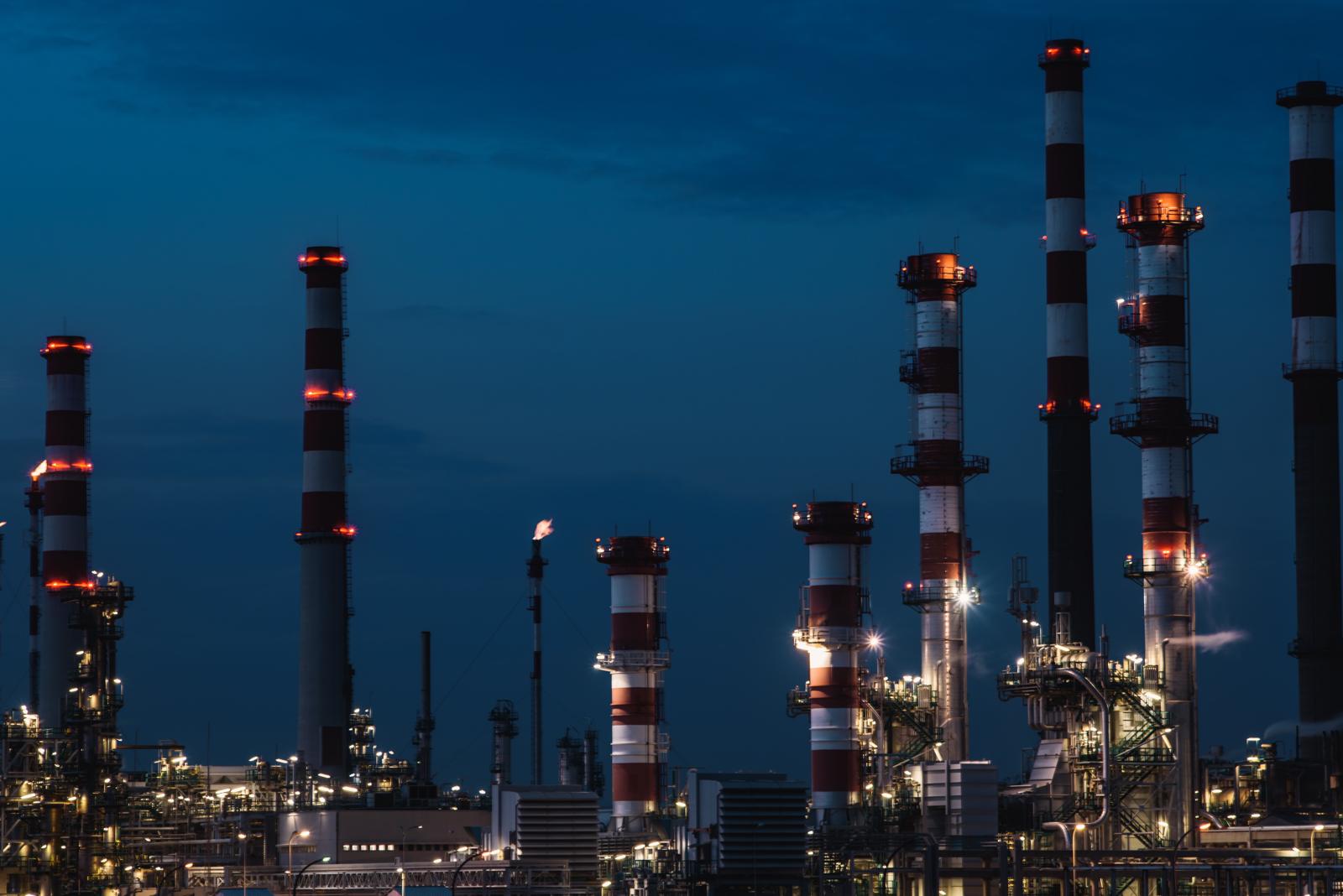
Refinery stacks at dusk
Refining
41 Mt H₂/yr
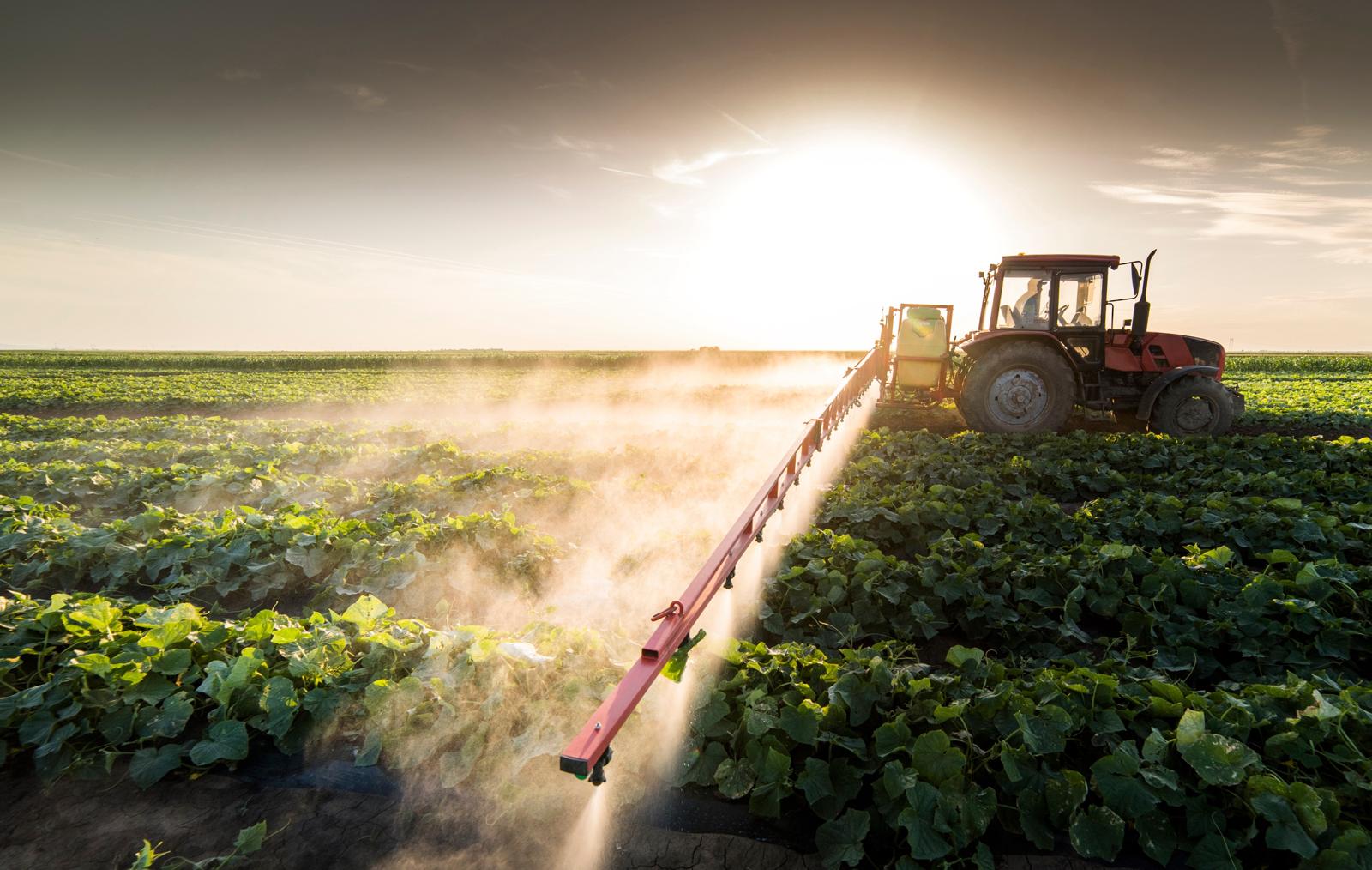
Tractor spraying crops at sunrise
Ammonia
36 Mt H₂/yr
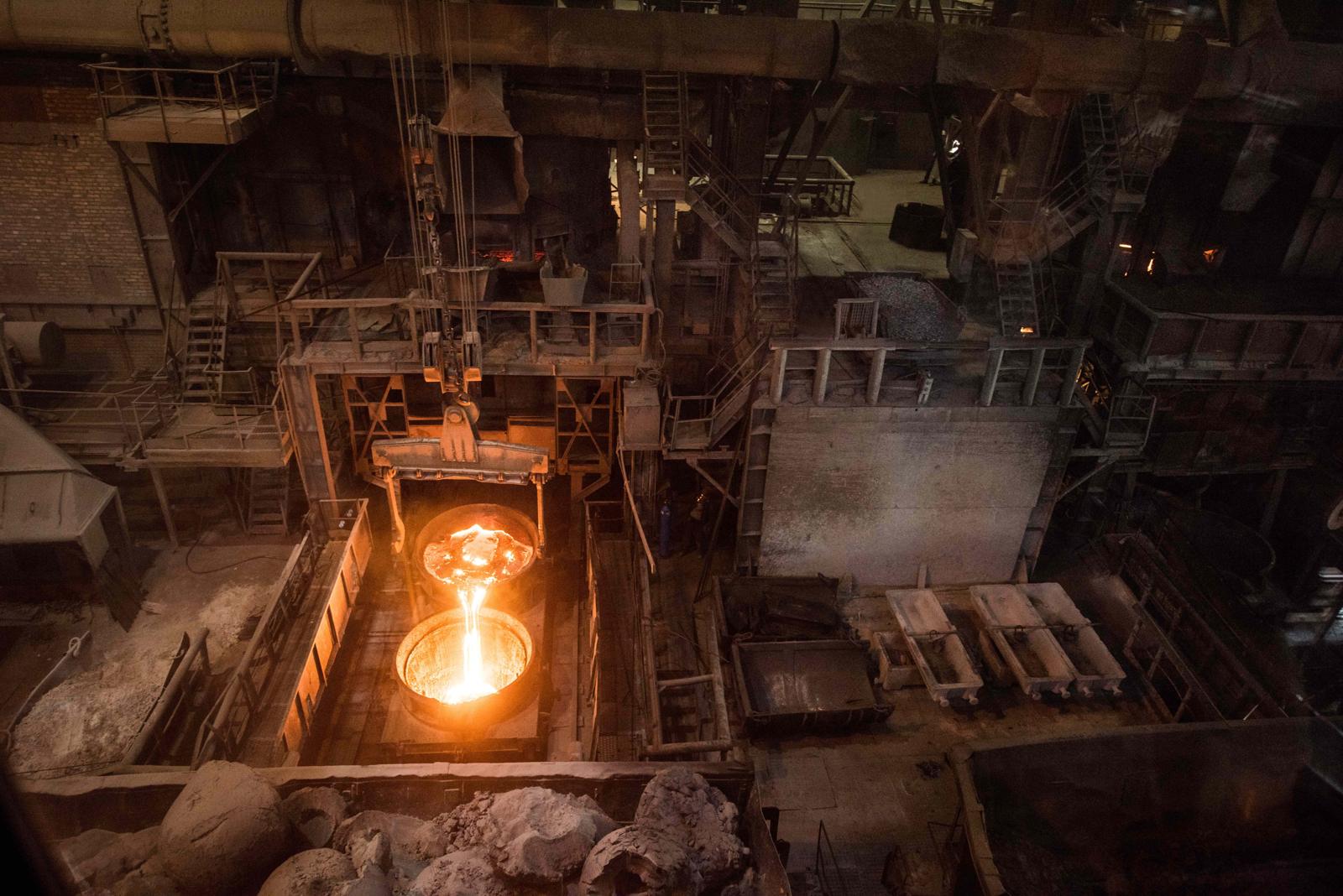
Molten metal being poured from a ladle in a steel plant
Steel
Next
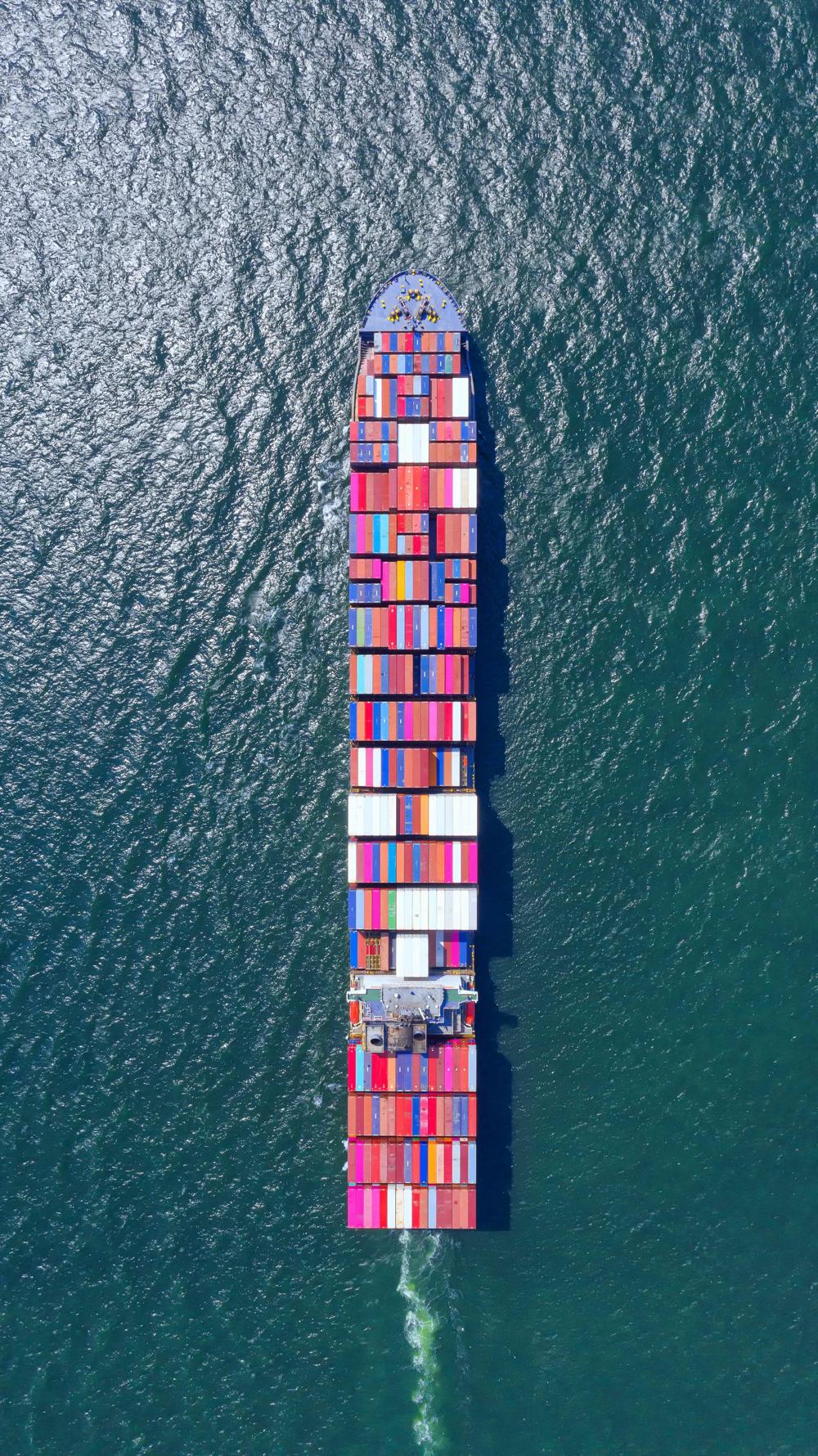
Container ship at sea from above
Fuels
Next

The world uses about 100 million tons of hydrogen a year, mostly made by steam reforming, which releases CO₂. Molten makes it from the same natural gas, cost competitive with steam reforming, with solid graphite instead of emissions.

0

CO₂ process emissions

4×

less electricity than water electrolysis

1:1

cost parity with hydrogen from steam methane reforming

Refining
41 Mt/yr
Ammonia fertilizer
36 Mt/yr
Methanol and chemicals
15 Mt/yr
Glass, semiconductors, food
~8 Mt/yr
Green steel (DRI)
Emerging
Shipping and aviation fuels
Emerging
12.02
The process
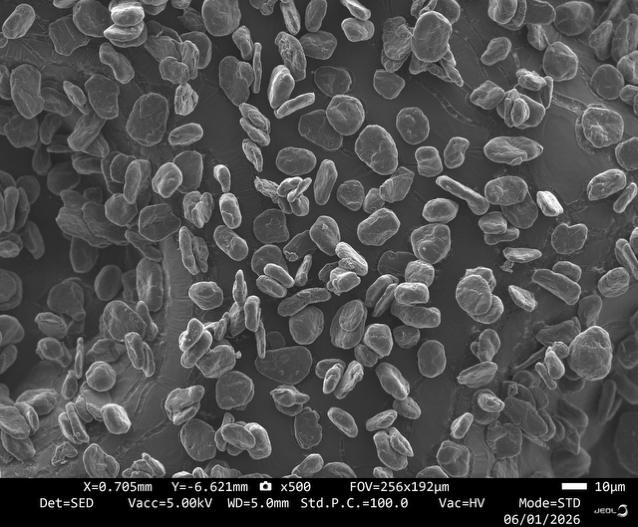
Molten graphite under an electron microscope

Graphite made by a radically better process.

4×

Cheaper feedstock

Natural gas at $150 per ton, versus $600 per ton for petroleum coke.

3×

Less electricity

4.5 kWh per kilogram of graphite. No graphitization furnace.

0

Process emissions

No SOx, NOx, methane, or CO₂ from the process.

How graphite is made today

Synthetic graphite bakes petroleum coke at 3,000°C for four to eight weeks. Natural graphite is mined at 5–20% purity and purified with hydrofluoric acid. Almost all of it happens in China.

How Molten graphite is made

One continuous step from natural gas, with clean hydrogen as a co-product. Crystallinity, particle size, and shape are set by core process conditions, then refined by milling and blending to hit each customer's spec.

12.03
Specifications

Made to spec. 100% in the USA.

Partners set the targets for performance, volume, and price. We tune the process to hit them.

MG series battery graphite

Typical values
Grade
D50 (µm)
Tap density (g/cc)
SSA (m²/g)
Capacity (mAh/g)
FCE (%)
Cycles (1C/1C)
Rate
Samples
MG-1-17
15.5–18.5
0.95–1.05
<2.0
>358
>92
>5,000
1–2C
Coming 12.01
MG-1-14
12.0–14.0
0.95–1.05
<2.5
>355
>92
>3,000
2–3C+
Coming 12.01
MG-1T
15.0–17.0
1.1–1.2
<1.5
>355
>93
>5,000
2C+
Coming 12.01

Combining the best of artificial and natural graphite, with high capacity, long cycle life, and fast charging.

Applications: energy storage, EV/xEV, consumer electronics, power tools, robotics. Suitable for dry electrode coating.

Request a sample →

Molten hydrogen

Co-produced with every ton of graphite
Grade
Purity (H₂ by volume)
Cost
Crude hydrogen
>95%
Parity with SMR
Pure hydrogen
Up to 99.999%
Parity with SMR

At cost parity with hydrogen from steam methane reforming, with zero CO₂ process emissions.

Talk to us about hydrogen →